Gemini 4 Argon Is Now Available to Everyone. The Use Cases That Matter for Your Business.
Gemini 4 Argon, Google's flagship reasoning model, is now open to everyone: 1M token context, built for long agentic work, intro pricing until Nov 30. The use cases that matter for operations-heavy businesses.

By Prakash Singh, Founder & CEO, Matrytech Solutions
Short answer: Google's new flagship reasoning model, Gemini 4 Argon, opened to everyone today. It was announced September 30 and is now available globally through the Gemini API (paid tier in AI Studio and Android Studio), Gemini for business, Google Antigravity for Ultra subscribers, and the Gemini app plus AI Mode in Search. What matters is what it is built for: long-horizon agentic work - software engineering, multi-step automation, finance and legal analysis - at an intro price of $2 per million input tokens and $10 per million output tokens until November 30, after which it doubles. If your business runs on documents, exceptions, and multi-step workflows, this is the model to test this quarter.

What Google actually launched today
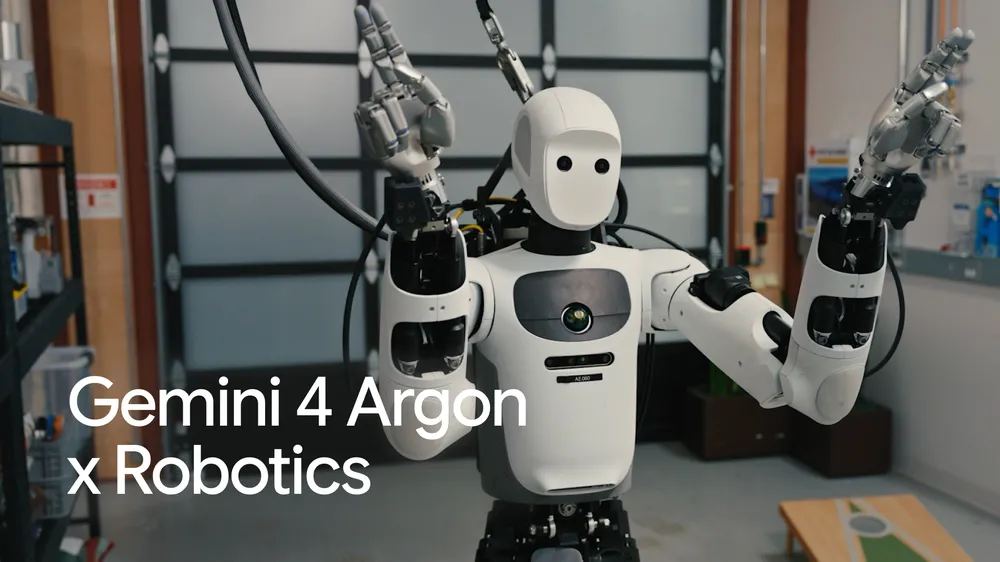
Gemini 4 Argon (model code gemini-4-argon) is Google's flagship reasoning model. Announced on September 30, 2026, it went global today across four surfaces: the Gemini API paid tier in AI Studio and Android Studio for developers, Gemini for business for teams, Google Antigravity for Ultra subscribers, and the consumer Gemini app with AI Mode in Search for Ultra and Pro plans.
The pricing window is the story most coverage will miss. Intro pricing is $2 per million input tokens and $10 per million output tokens, with cached input 95% off. After November 30, 2026, that goes to $4 and $20. Teams that build and test now lock in their evaluation at half price.
Context is the other headline: a 1 million unified input-output token limit, with long decode up to 1 million output tokens (65,536 by default for synchronous calls). One million tokens is roughly an entire mid-size codebase or a year of operational documents in a single pass.
Why this model is built for agents, not just chat
Benchmarks are marketing until you read what they measure. These four measure work:
- DeepSWE v1.1: 77.9%, state of the art. Long-horizon software engineering - multi-step tasks across a whole repository, not single-file completions.
- Zapier AutomationBench: #1 at 51.3%. Planning and executing real multi-tool automation workflows - the exact job description of a business agent.
- Vals Index: leader across finance, coding, legal, and tax. Document-heavy professional reasoning, the kind that runs claims, contracts, and compliance.
- LVBench: 91.7%. Long-video understanding - it can follow what happens across hours of footage, not just a clipped frame.
The capability list reads like an agent builder's checklist: computer use (in preview), code execution, function calling, search grounding, structured outputs, adjustable thinking levels, and agentic video understanding. The honest limits: no image or audio generation, and no Live API for real-time voice.

The use cases that matter if you run a business
We build AI agents for logistics and delivery companies at Matrytech Solutions, so we read every frontier model through one filter: what does it do for operations that never stop? Four use cases stand out.
1. Document-heavy operations, read in one pass. Proof-of-delivery records, invoices, customs forms, rate contracts, claims files. A 1M-token context means the agent reads the entire shipment history and the contract it shipped under before it answers - no chunking, no lost context halfway through a dispute.
2. Exception handling that holds the thread. A failed delivery is never one step: reattempt scheduling, customer communication, address correction, refund eligibility, courier reconciliation. Long-horizon reasoning is exactly this - an agent that stays on the case from the first failed scan to the closed ticket.
3. Dispatch and back-office automation that actually executes. Topping Zapier's AutomationBench means Argon can plan a workflow across your tools and carry it out - function calling plus structured outputs is what separates a production agent from a demo.
4. Whole-codebase work for internal tools. DeepSWE 77.9% means the model reads your entire repo before proposing a change. For operators maintaining custom dispatch or tracking tools, that is the difference between a patch that fits and one that breaks something two services away.
What it costs to try
Until November 30: $2 per million input tokens, $10 per million output, cached input at 95% off. For a typical operations agent handling a few thousand documents and decisions a day, evaluation cost is measured in dollars, not hundreds. After November 30 the price doubles to $4/$20 - still competitive at the frontier tier, but the cheap window to find out if it earns a place in your stack is now.
What this means if you build your business on AI
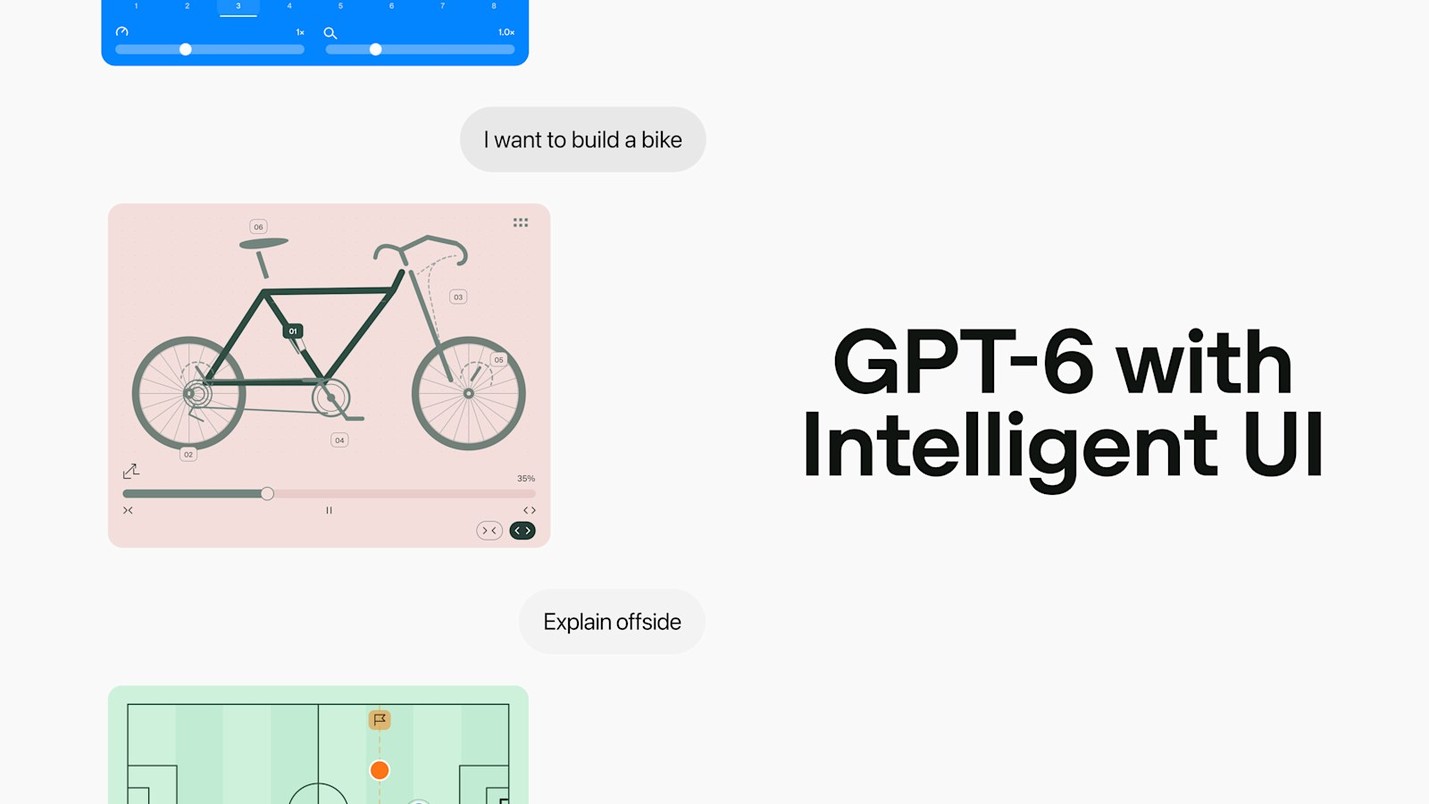
Every few weeks a new model takes the crown. GPT-6 last week, Gemini 4 Argon today, something else next month. The model is not the moat. The moat is how deeply the agent is wired into your workflow - your documents, your tools, your escalation rules.
That is how we build at Matrytech Solutions: custom AI agents for logistics and delivery operations that are model-agnostic by design. When a better model drops - like it did today - your agent gets smarter with a configuration change, not a rebuild. Source code and IP transfer to you once development is complete and fully paid.
If you want to know what an agent like this would do inside your operation, book a 30-minute call and we will walk through your workflow: https://calendly.com/matrytech-info/30min
Straight answers: Gemini 4 Argon
What is Gemini 4 Argon?
Google's flagship reasoning model, announced September 30, 2026 and available globally from October 14, 2026. It is built for long-horizon agentic work: software engineering, multi-step automation, and document-heavy professional analysis.
How can developers access Gemini 4 Argon?
Through the Gemini API paid tier in AI Studio and Android Studio, Gemini for business, Google Antigravity (Ultra), and the Gemini app plus AI Mode in Search (Ultra/Pro).
What does Gemini 4 Argon cost?
Intro pricing until November 30, 2026: $2 per million input tokens and $10 per million output tokens, cached input 95% off. After that: $4/$20.
How big is the context window?
1 million unified input-output tokens, with long decode up to 1 million output tokens.
What is Gemini 4 Argon best at?
Long-horizon software engineering (77.9% on DeepSWE v1.1, state of the art), multi-tool automation (#1 on Zapier AutomationBench at 51.3%), finance/legal/coding reasoning (leader on the Vals Index), and long-video understanding (91.7% on LVBench).
What can it not do?
No image generation, no audio generation, and no Live API for real-time voice interactions.